Masters Thesis
Masters Thesis
Masters Thesis
The study focuses on Philippi as a particular place and the communities that dwell there. It aims to study the spatial dispositions caused by South Africa’s troubled past.
The dissertation highlights the inequality of South African cityscapes which is then extrapolated in the conditions that exists on the Cape Flats. A core focus of the study is the way in which architecture might aid the spatial inequality in a post-apartheid South Africa.
The first bottle of wine was bottled in South Africa seven years after the Cape had been colonised. This means that the wine industry has always been synonymous of colonialisation to a certain degree. Further research reveals that the part of the Cape Flats that is today known as Philippi Township was used for grapevine cultivation by German settlers from the 1830s, but with the advent of the forced removals, the 1950 Groups Area Act zoned that land for the relocation of disadvantaged communities.
The community on the Cape Flats experiences a significantly lower quality of life than many of the suburbs in Cape Town. It can be noted that the areas surrounding Cape Town have an abundance of vineyards owned mostly by a singular demographic with a significantly higher income than those living in the informal settlements.
Research has indicated that the ‘terroir’, (climatic and environmental conditions) of Philippi is ideal for grapevine cultivation and there are upwards of 250 hectares of open land. The viticulture industry is one of the biggest sources of income for the Western Cape, but the problem lies in the fact that the revenue created is channelled only to an elite group. To counteract the repercussions of apartheid many strategies have been implemented by the government; among these is land reform.
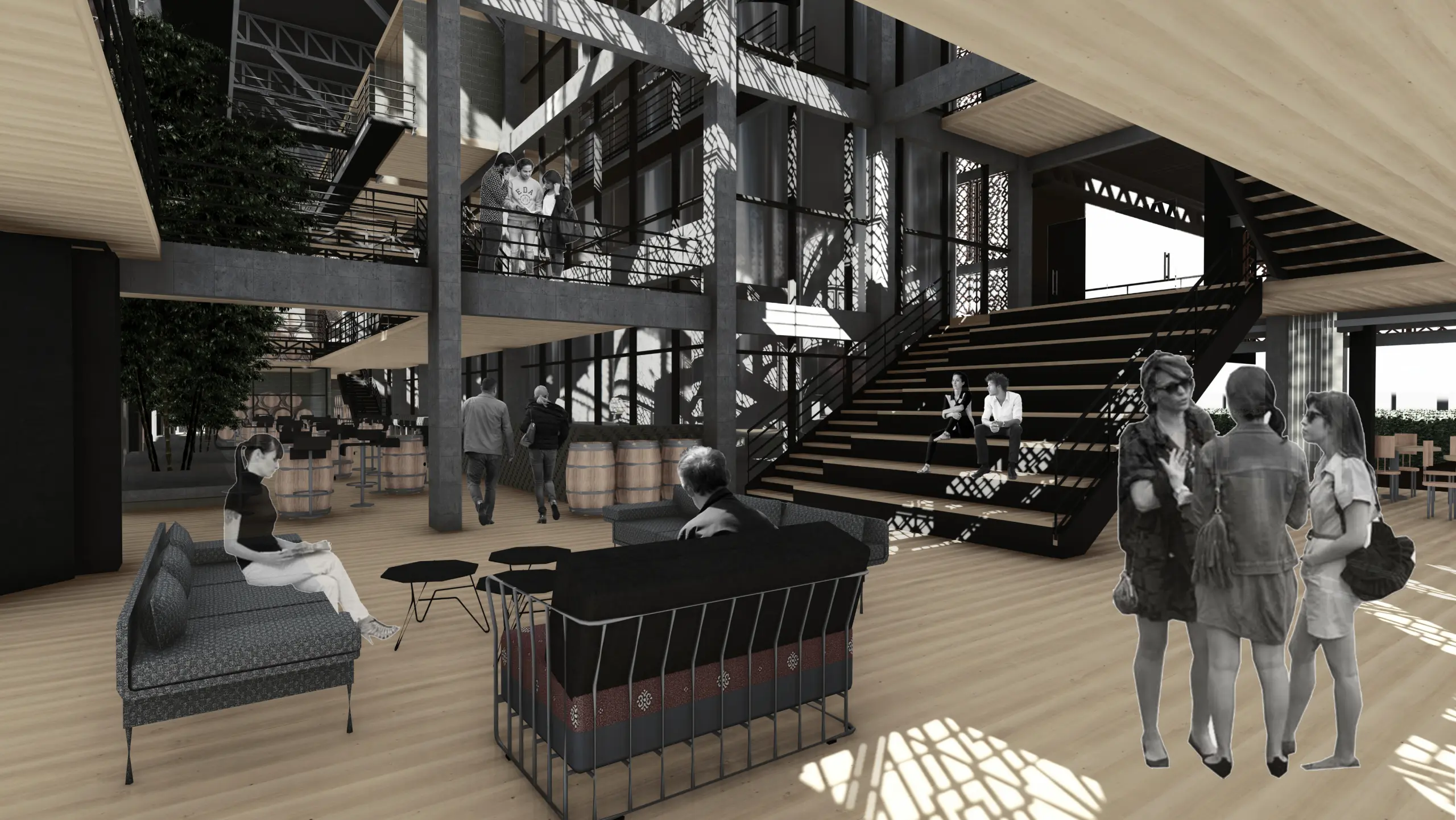
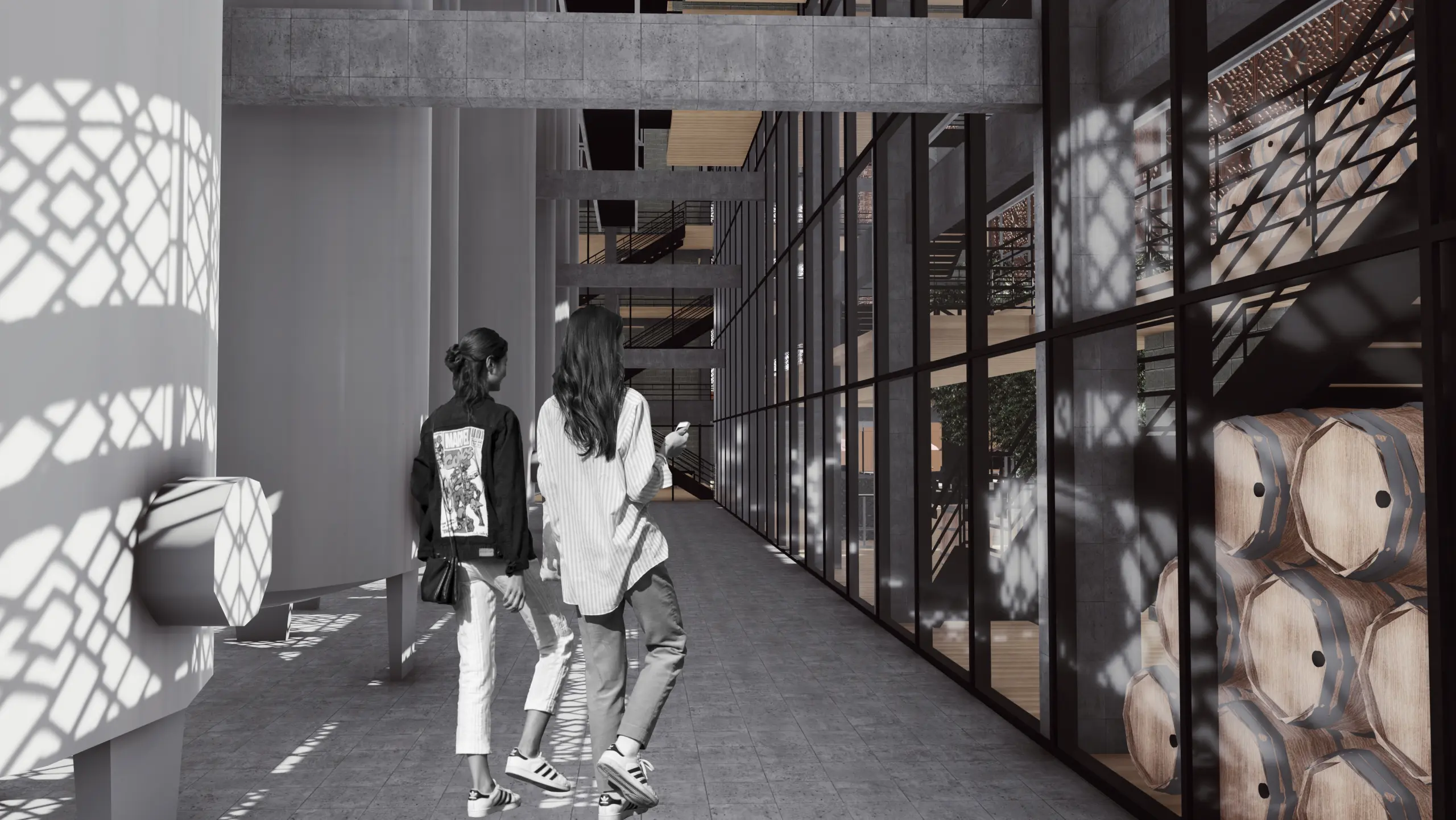
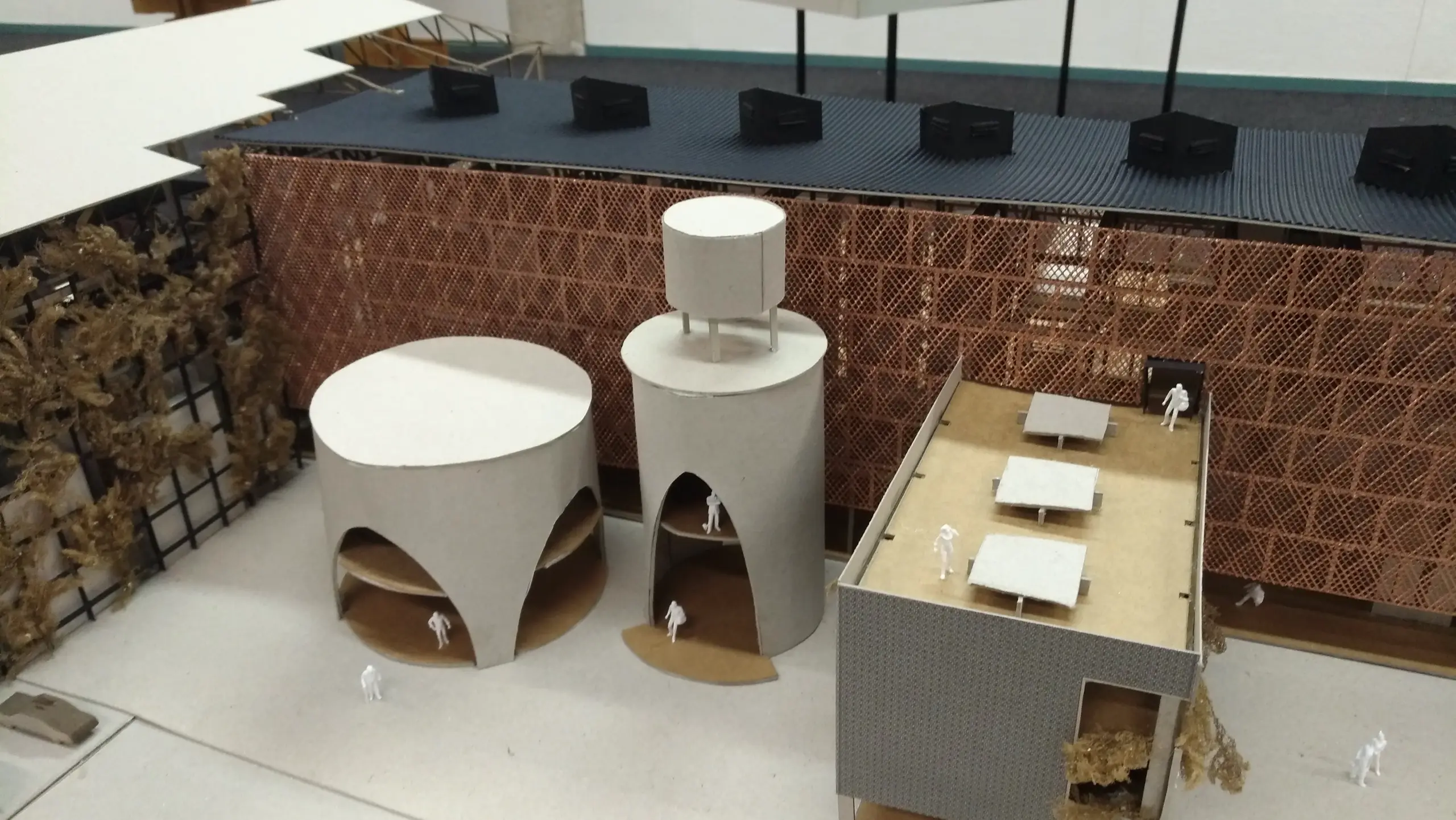
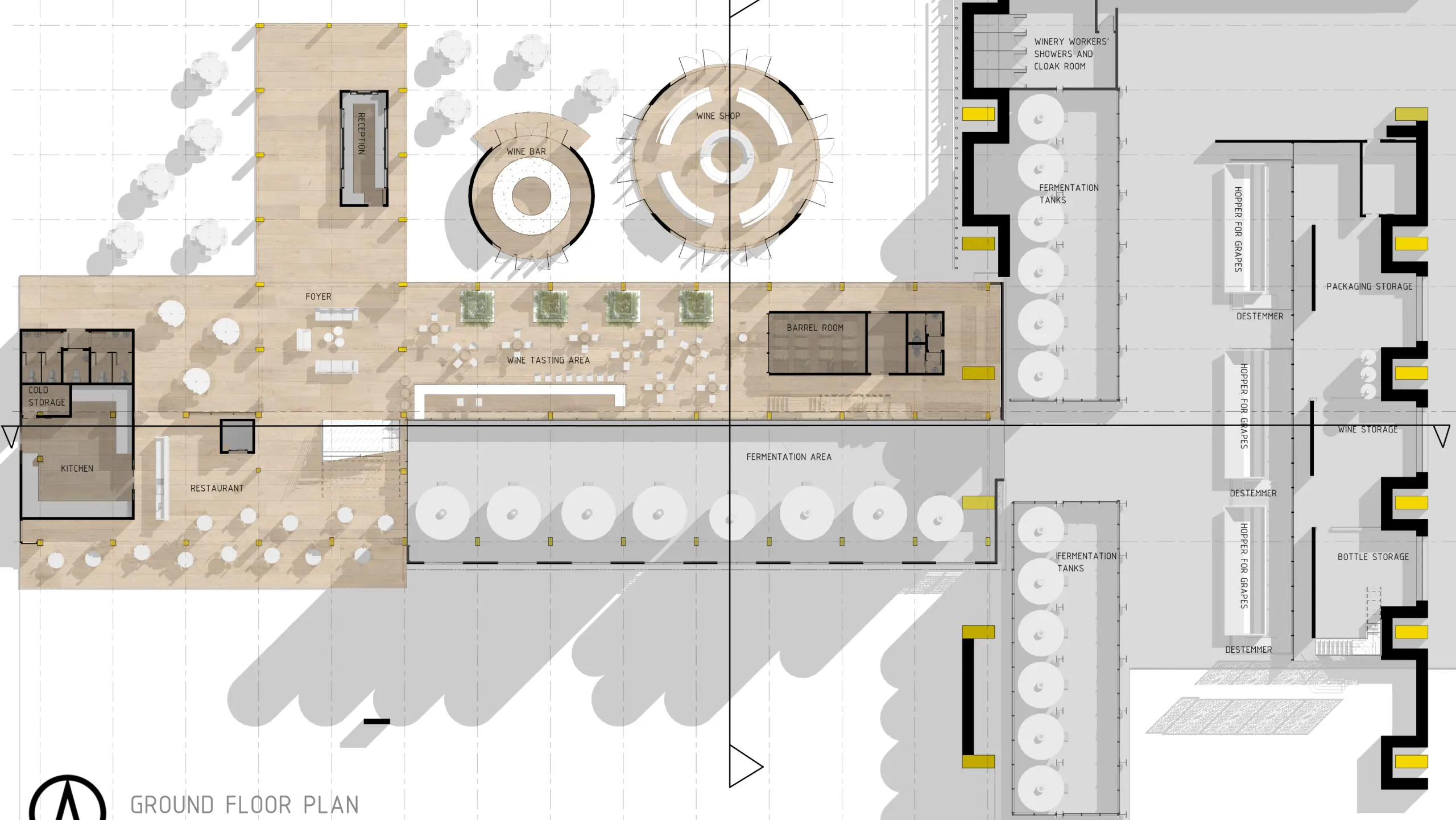
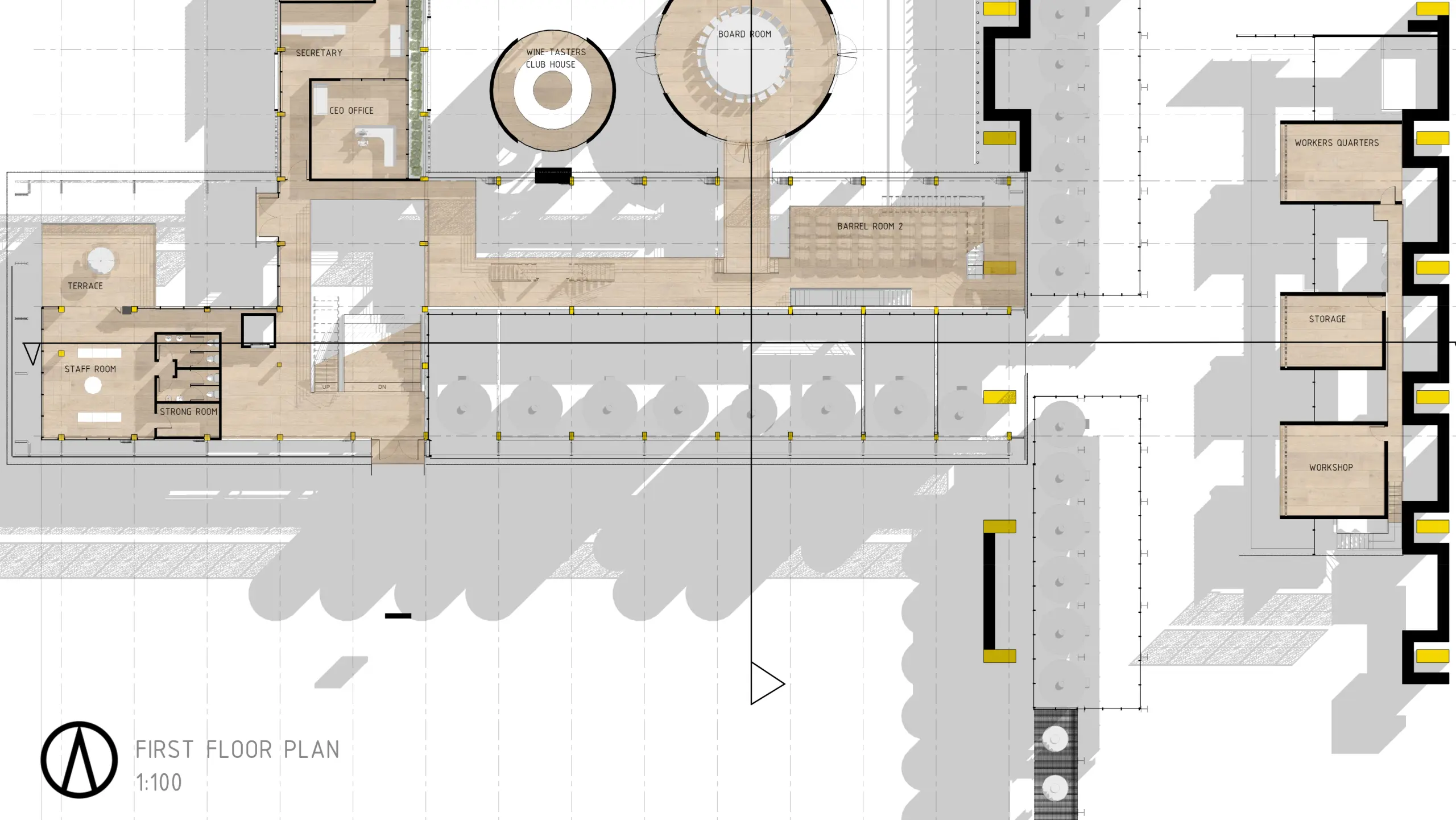
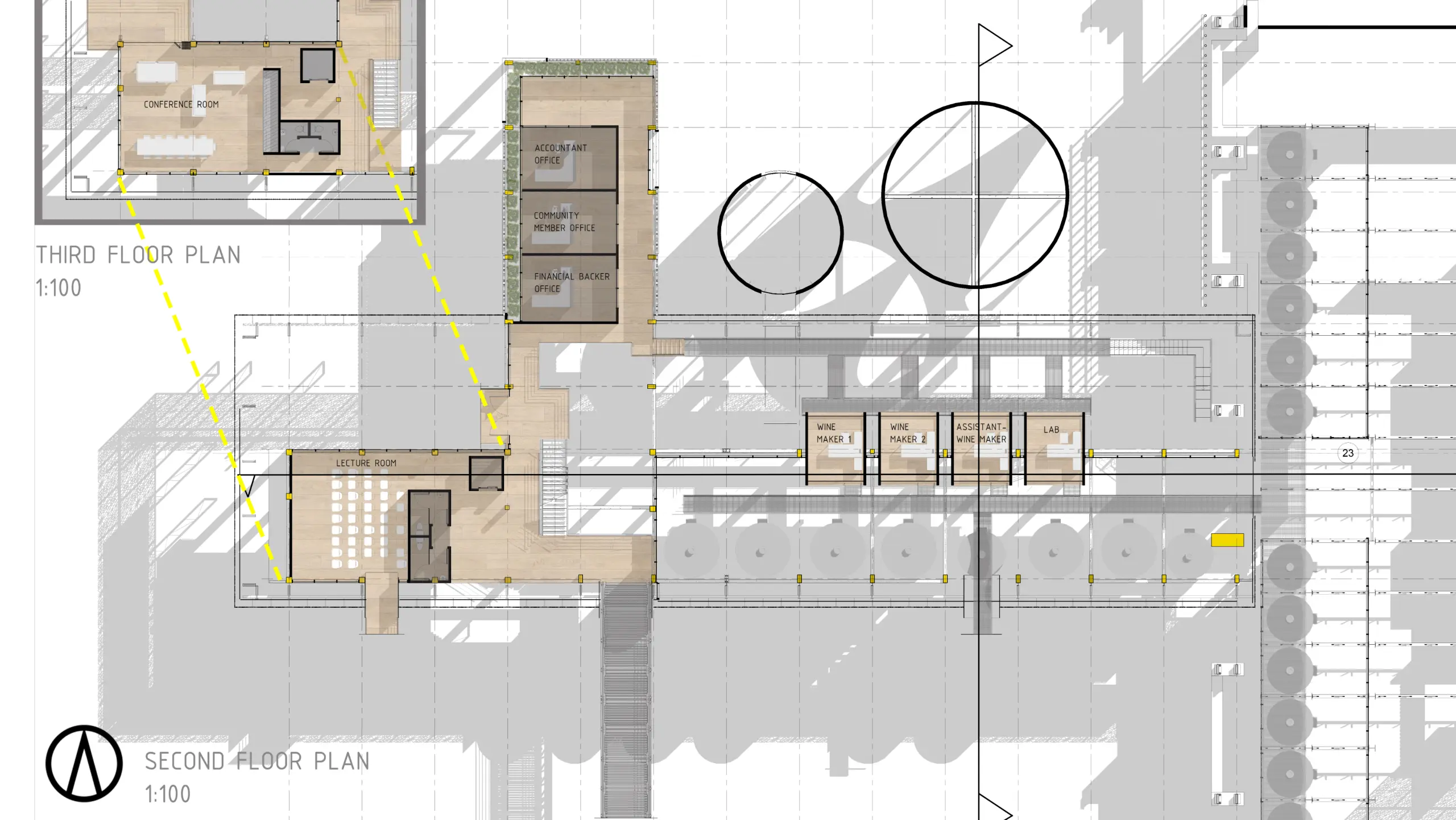
The physical and spatial nature of this place is investigated to create an architectural viewpoint on the matter. The treatise explores the design of a community-owned winery in the Philippi Informal Settlement and examines how the resultant architecture might address the impaired configuration of the urban make-up while strengthening the sense of identity.
The idea is that through leap-frog development locals will plant vineyards in open spaces, making the township a greener space to live in, whilst also generating income for the local inhabitants and allowing for the transfer of knowledge.
The use of precedent studies into the nature of building type, site visits as well as site- and precinct investigations were necessary to reach an understanding of the building type and a possible architectural response to the sensitive topic.
The understanding gained from the above-mentioned methods led to an appropriate architectural response in the form of a design. The design is the conclusion and proposed solution of the treatise.
The Architecture
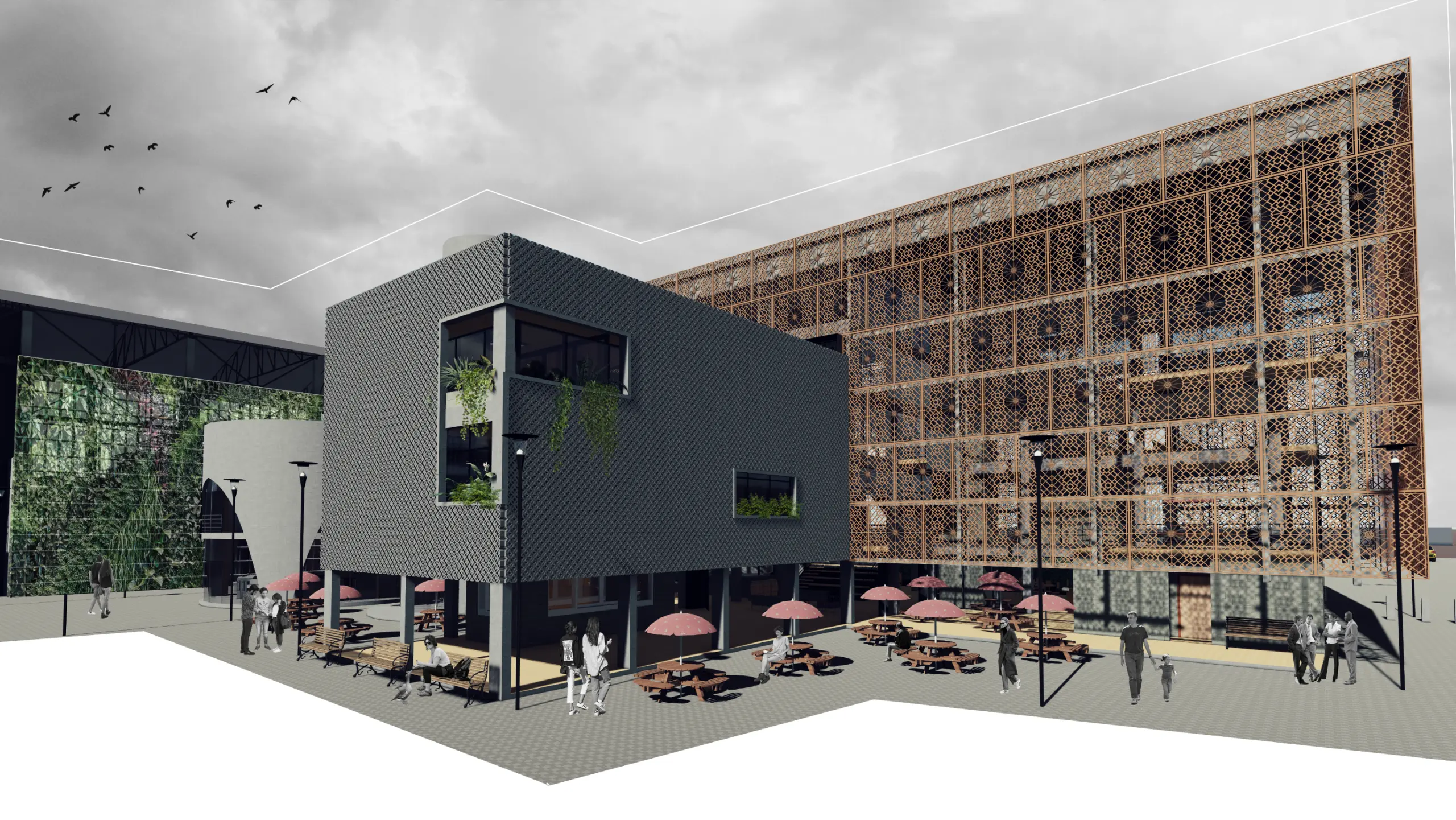
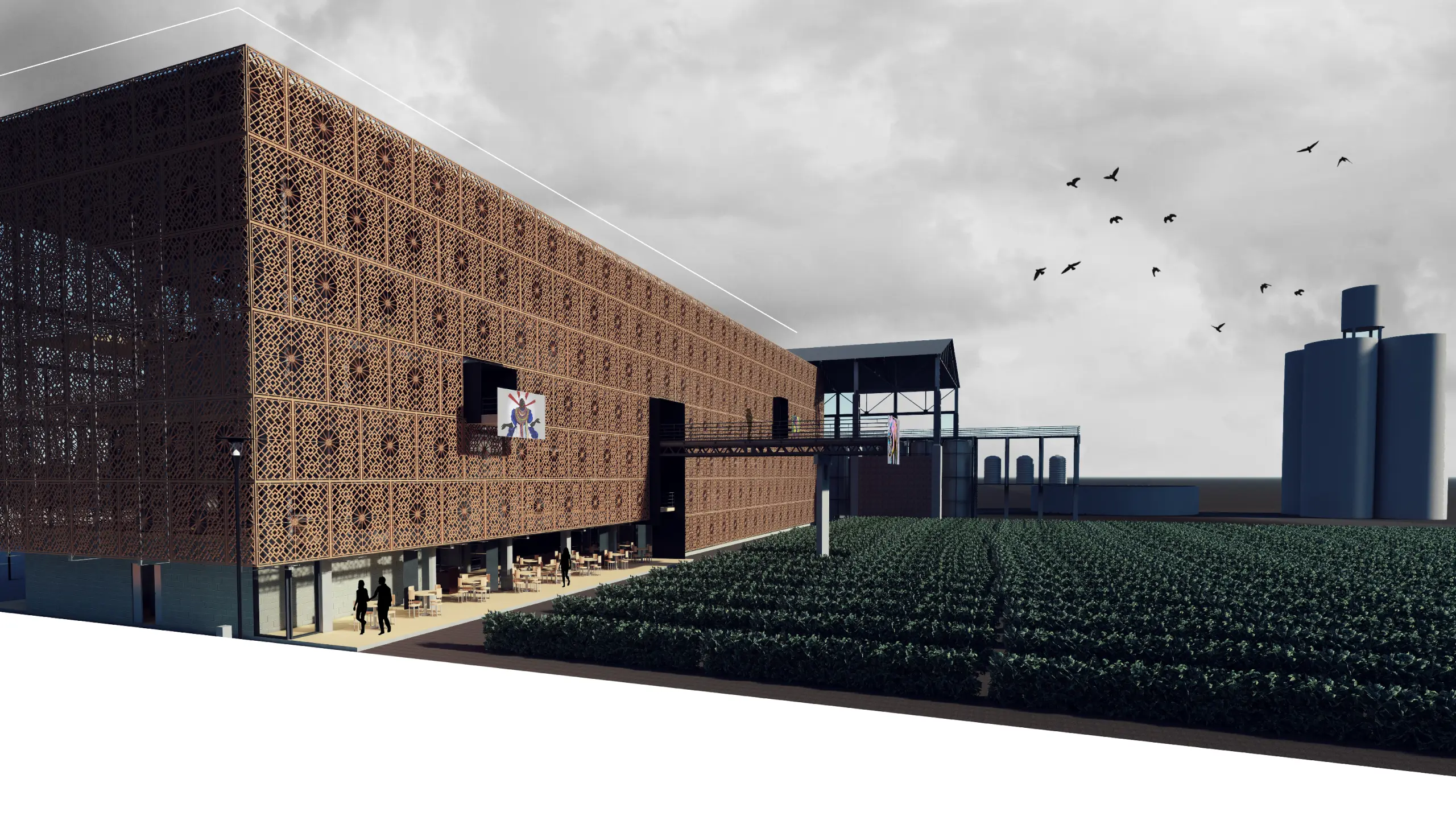
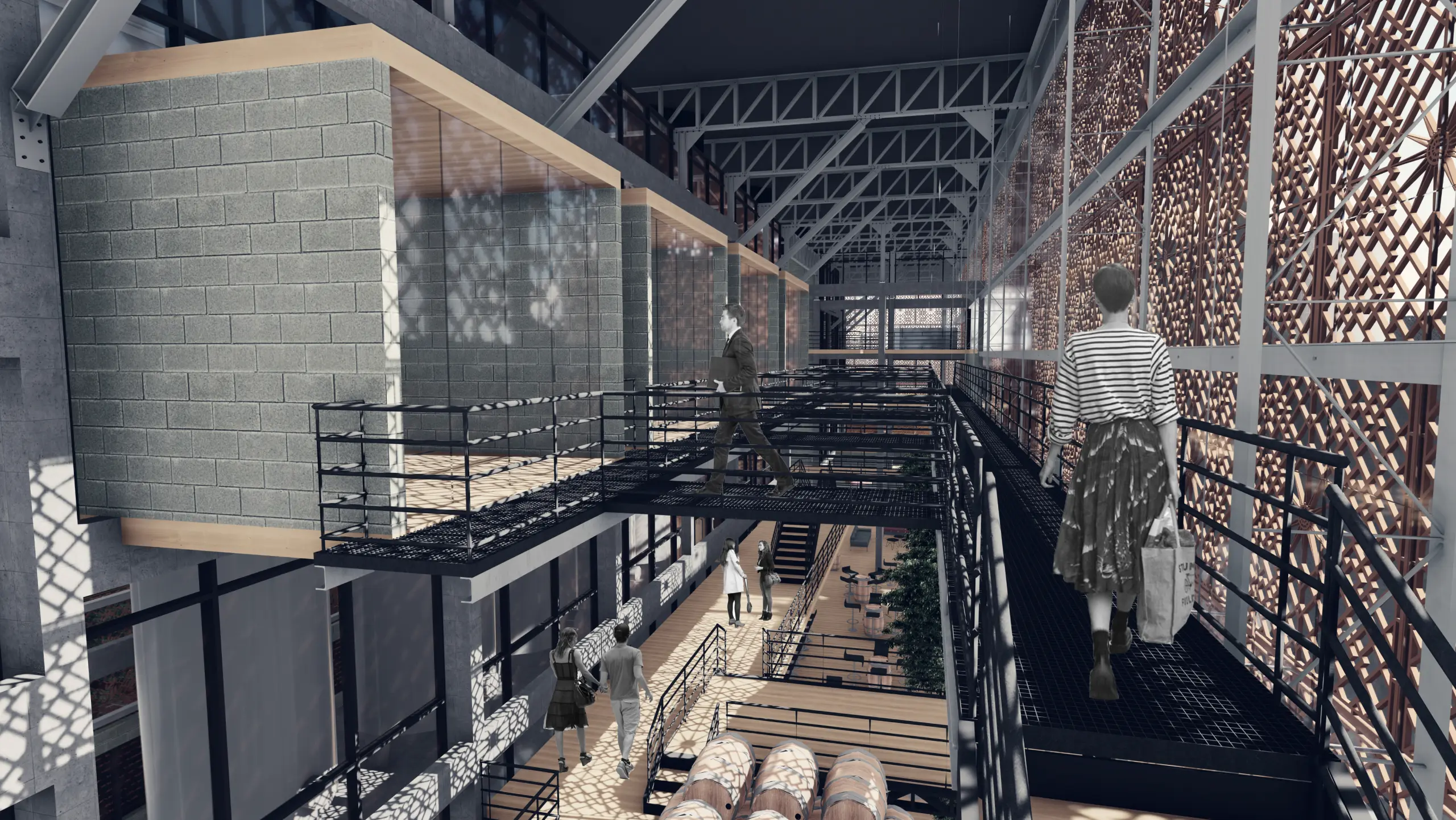
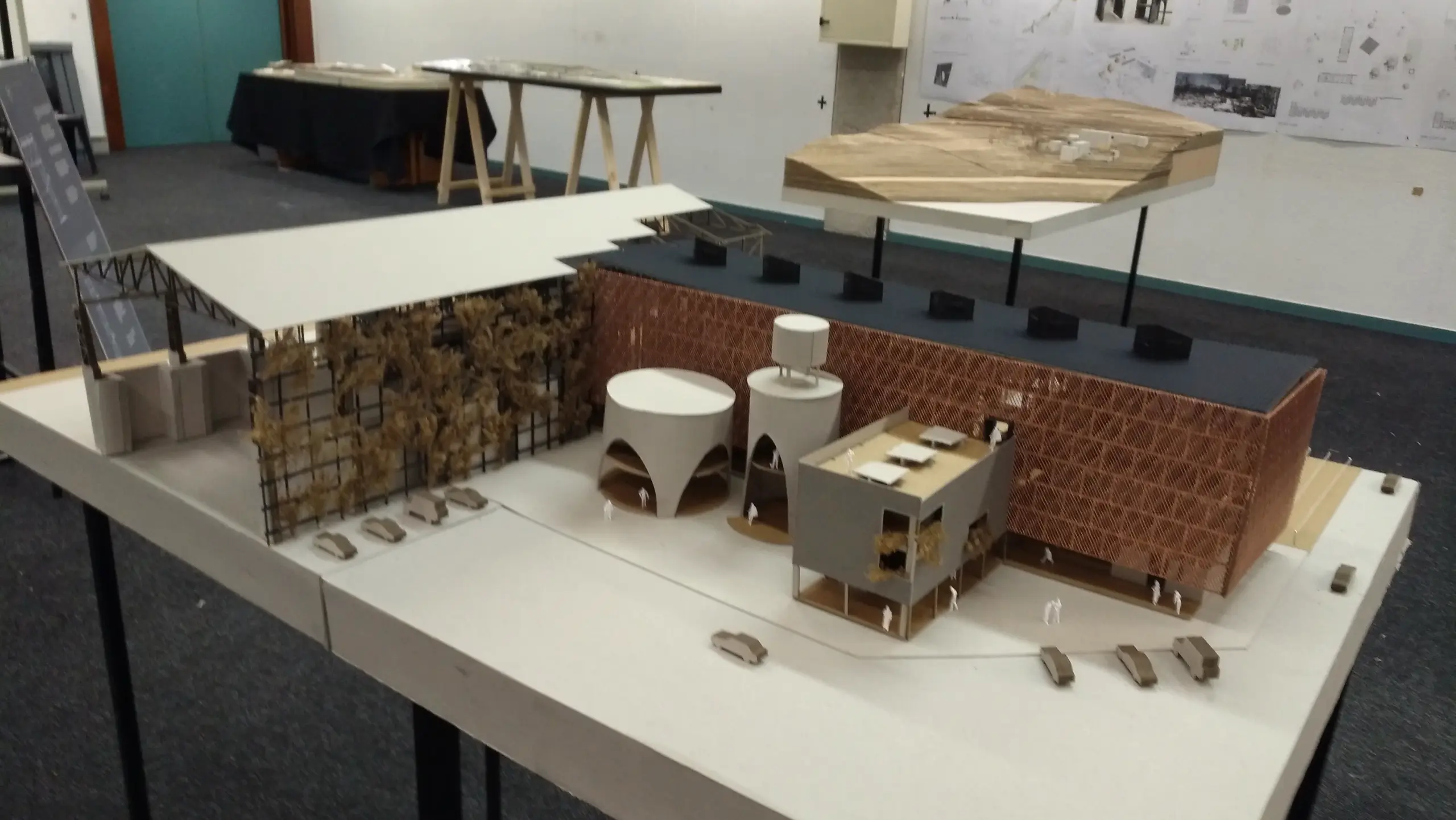
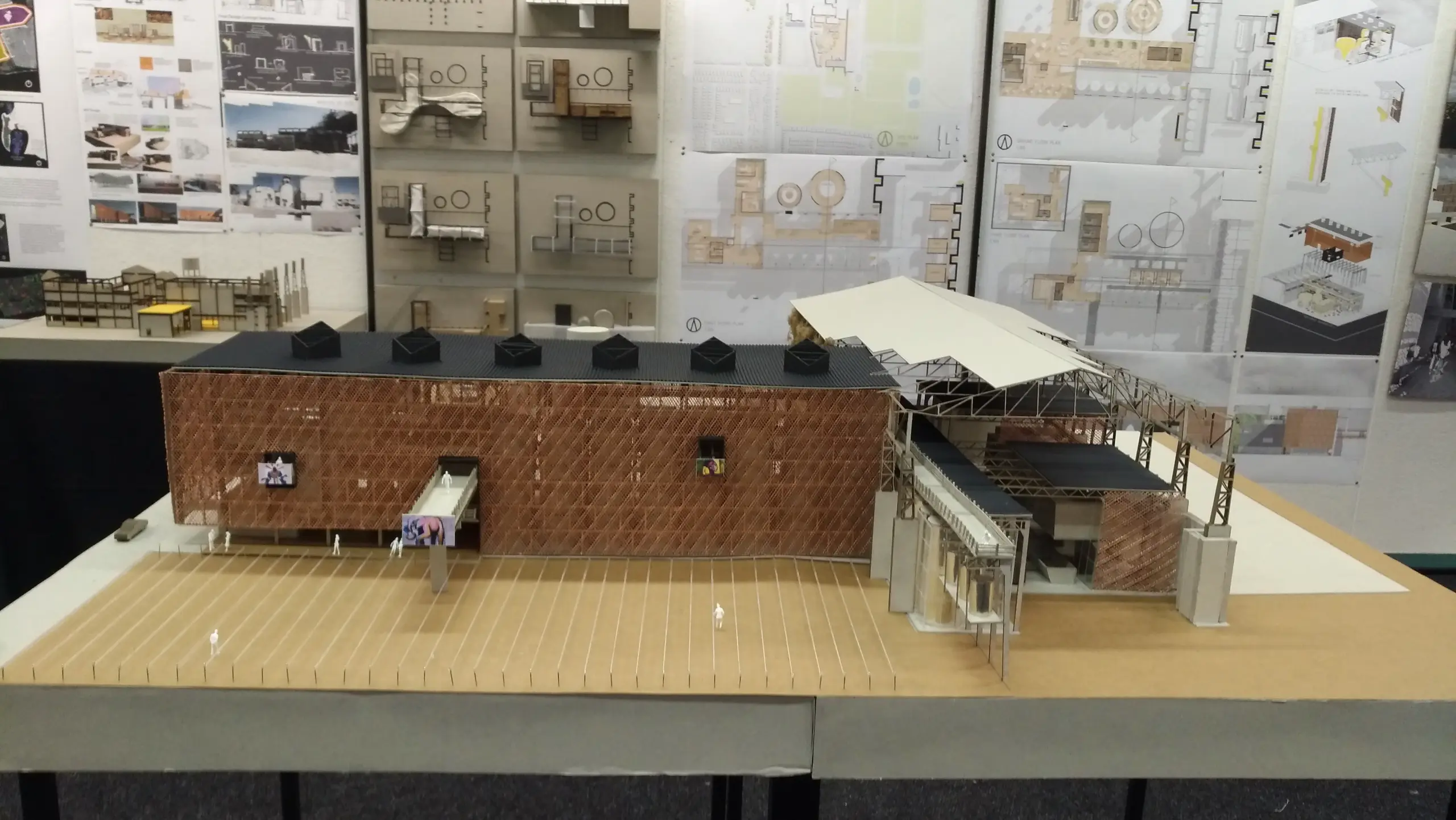
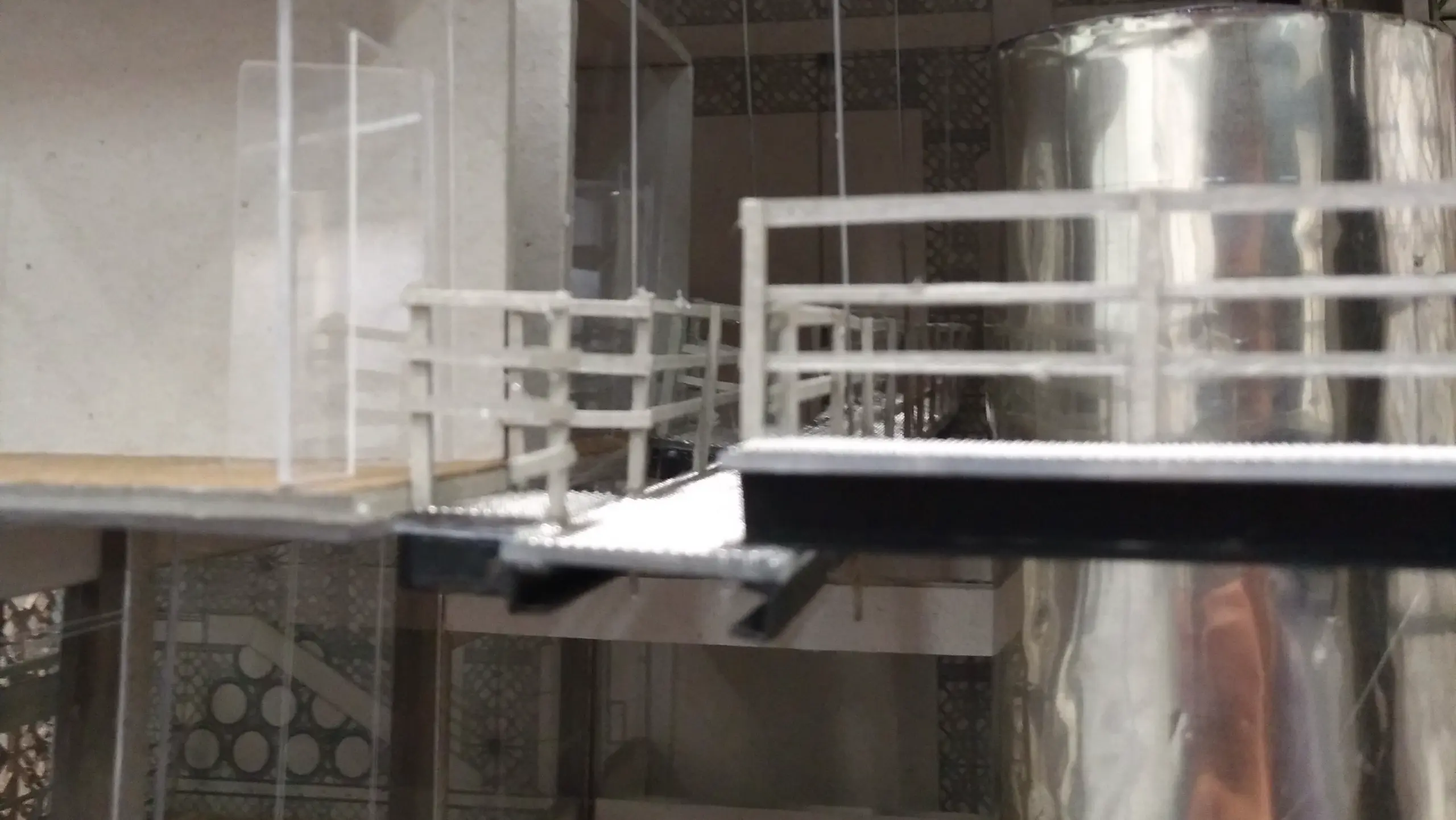
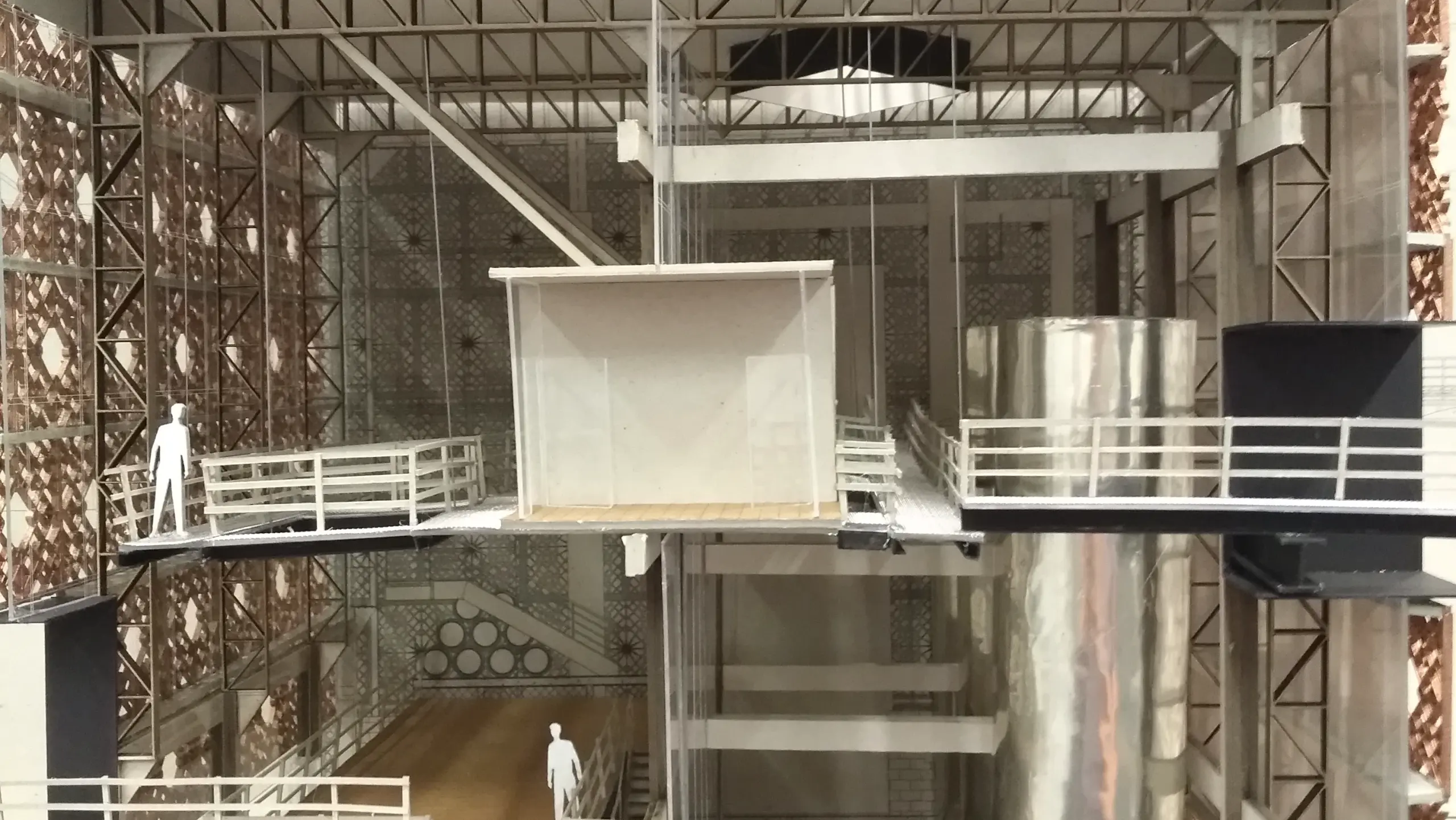
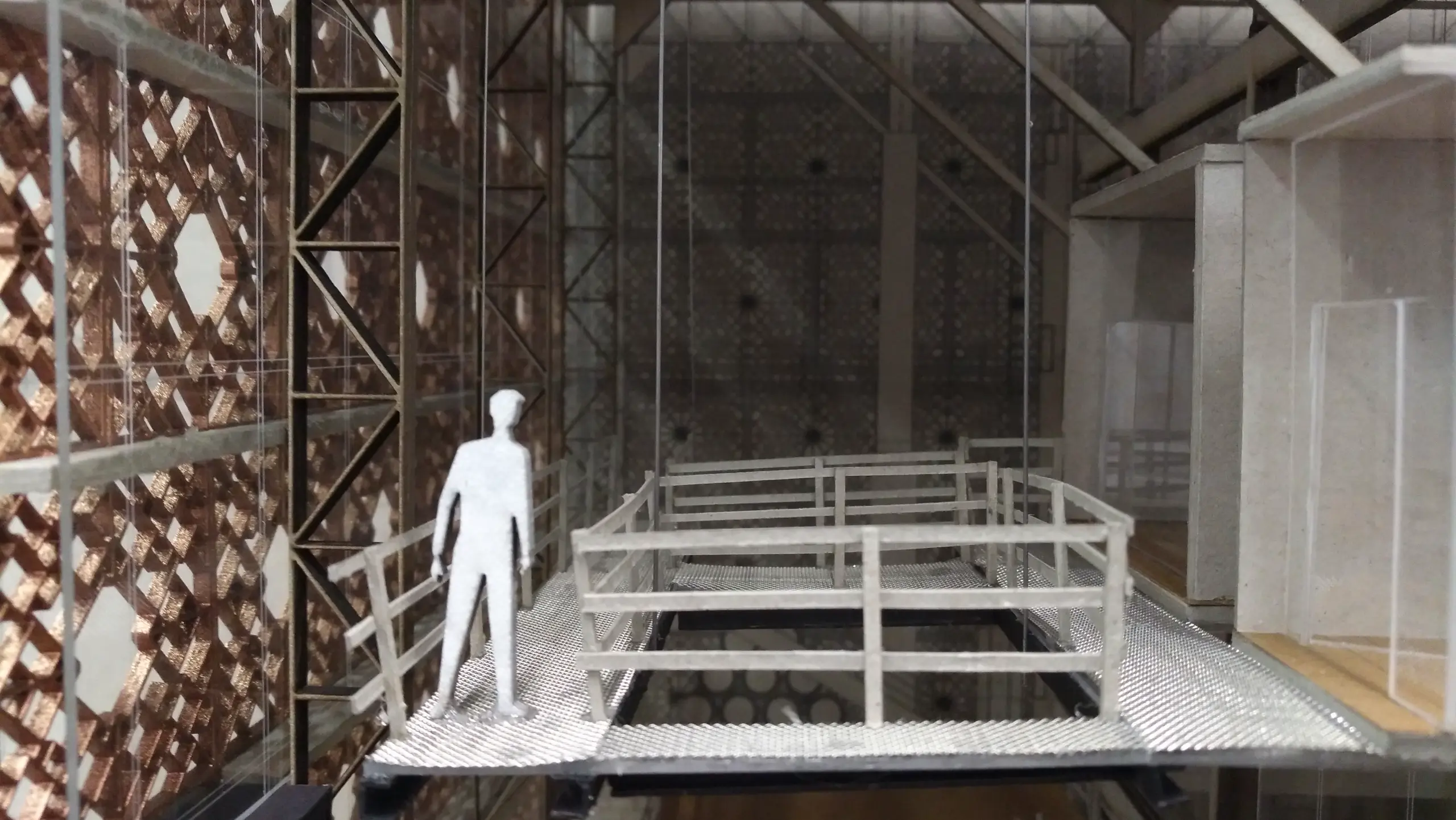
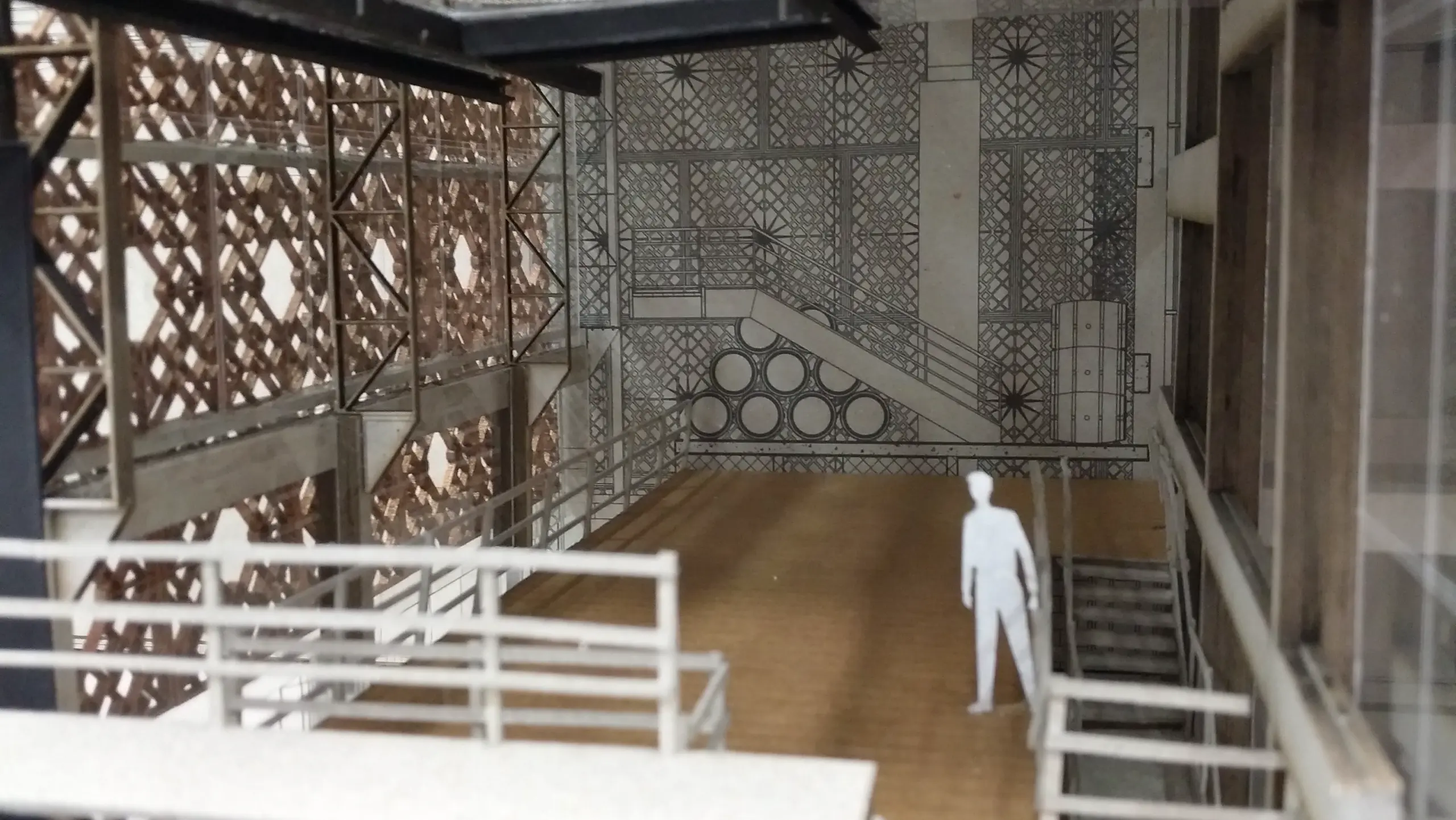
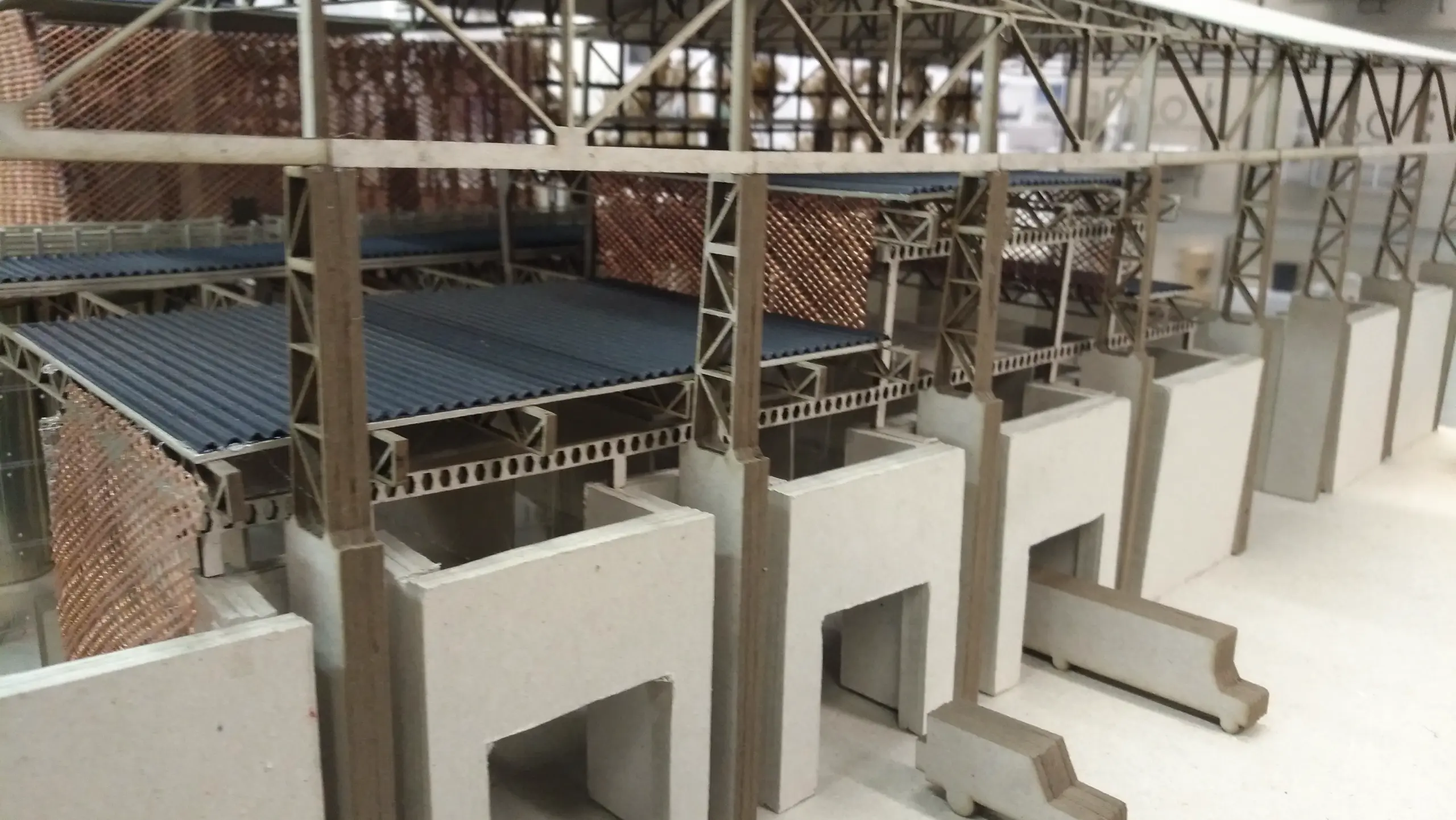
The design reuses an abandoned cement factory, a recognised symbol of oppression in the area due to its economic ripple effect through the community.
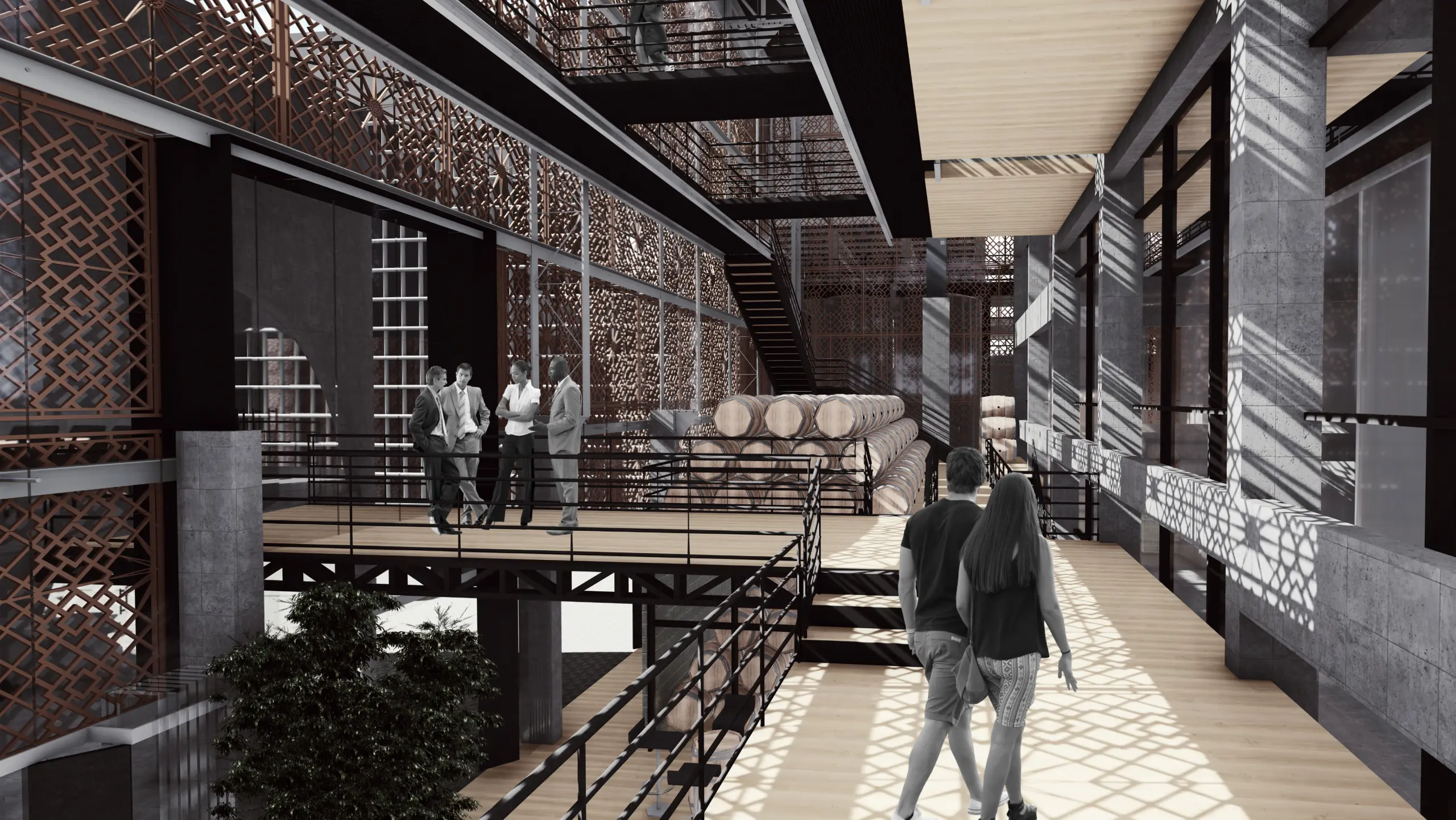
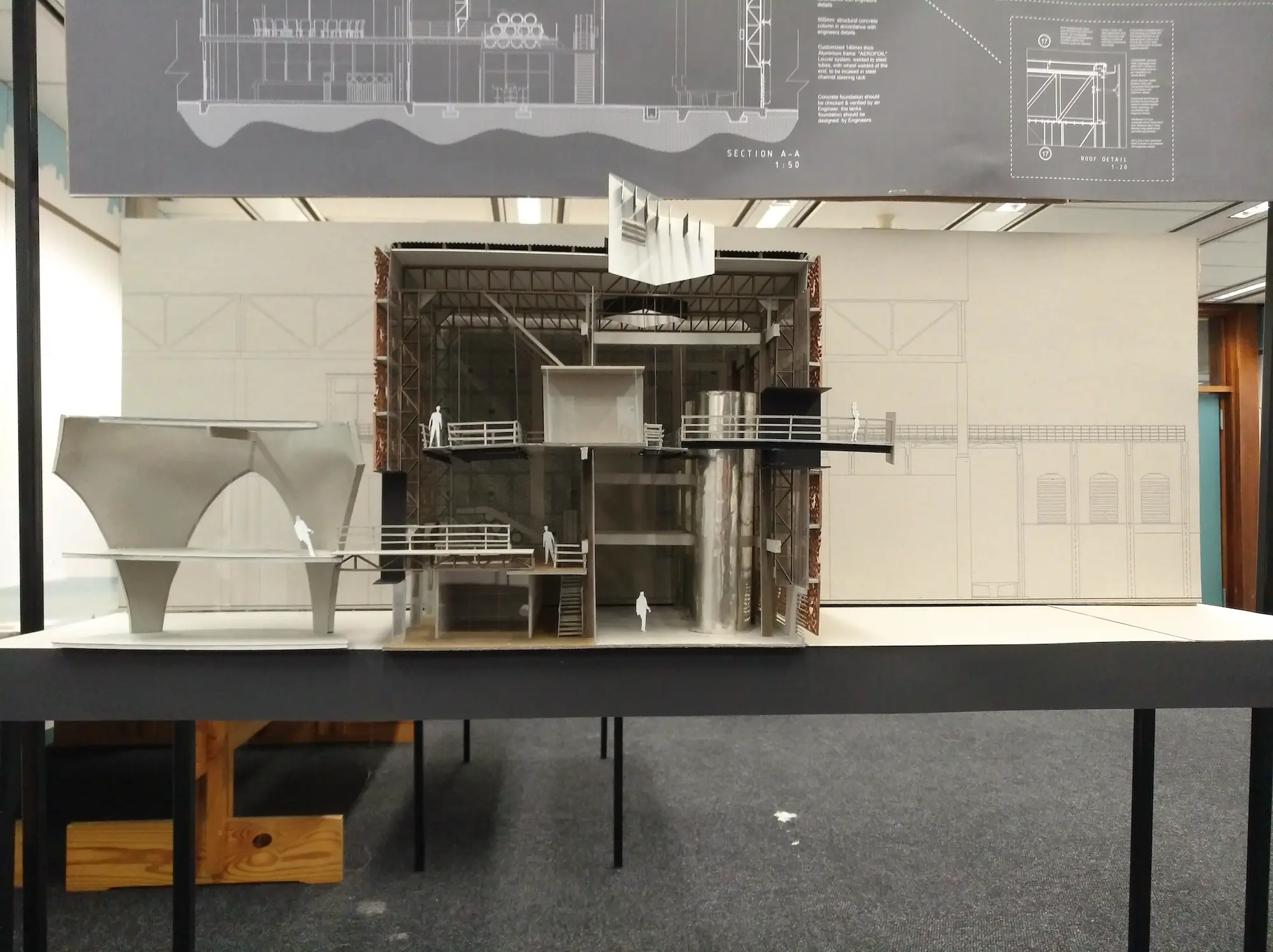
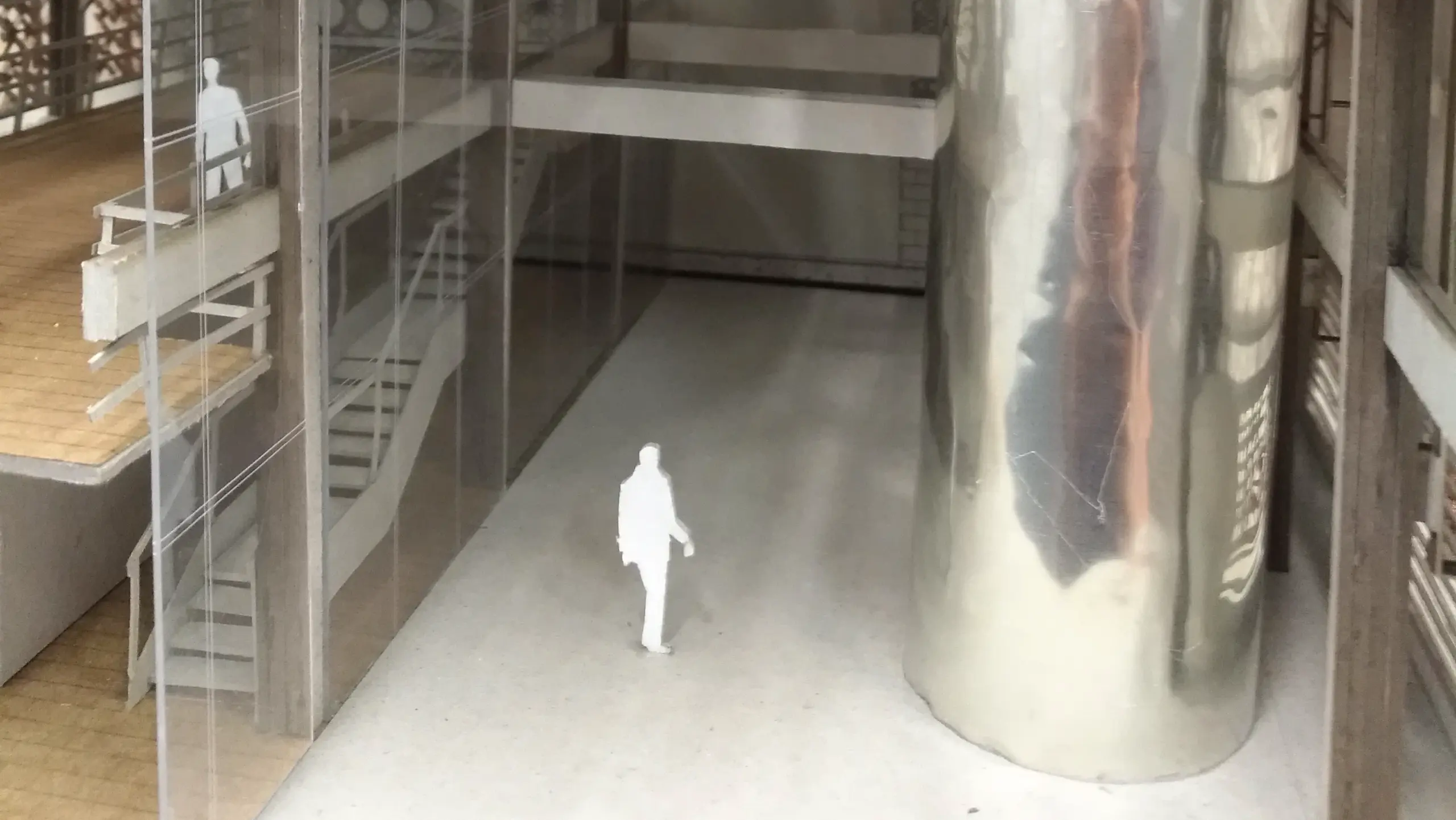
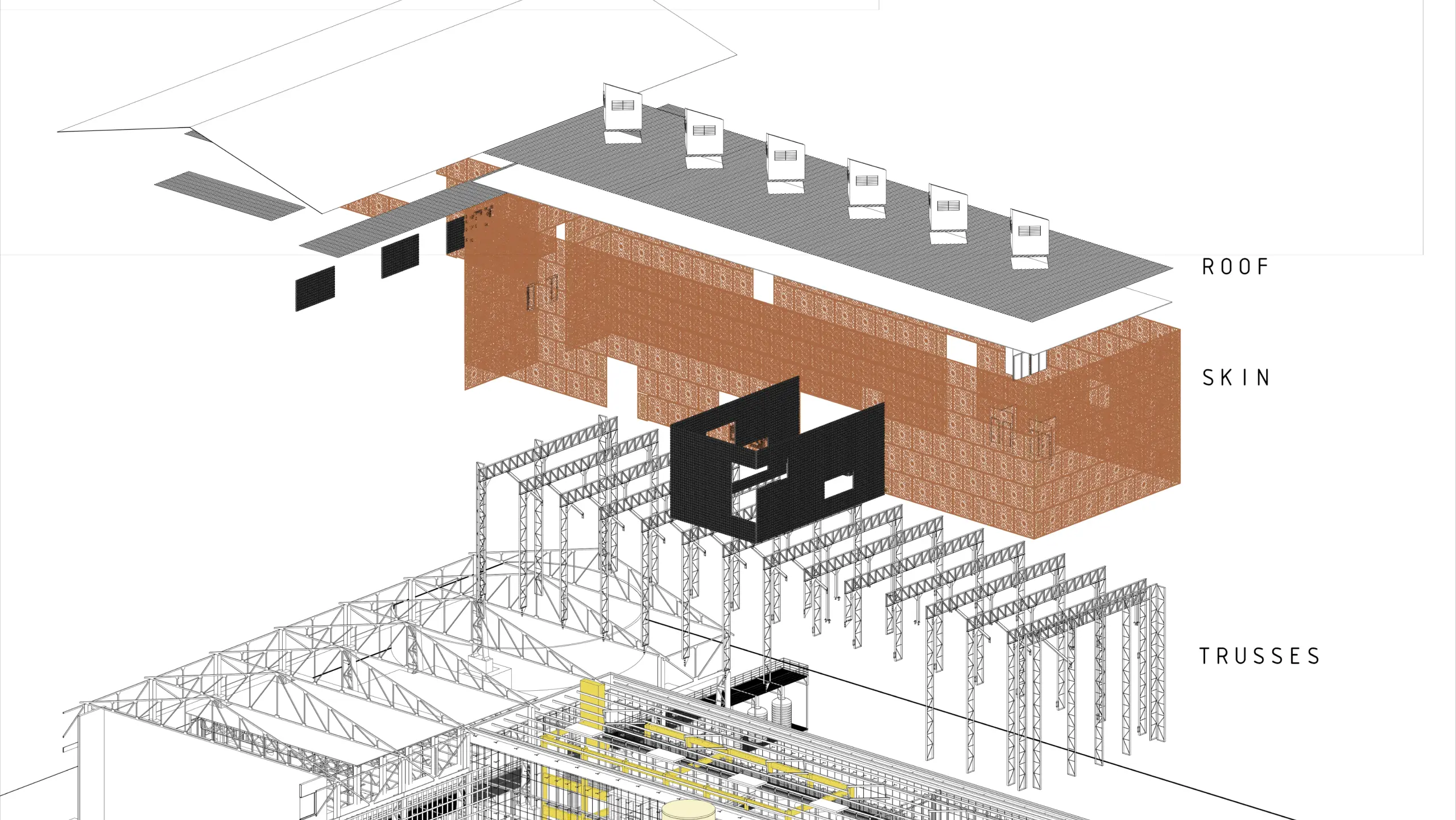
The concrete frame structure is retained, and all infill is removed, and all other non-structural elements removed to expose the bare concrete structure.
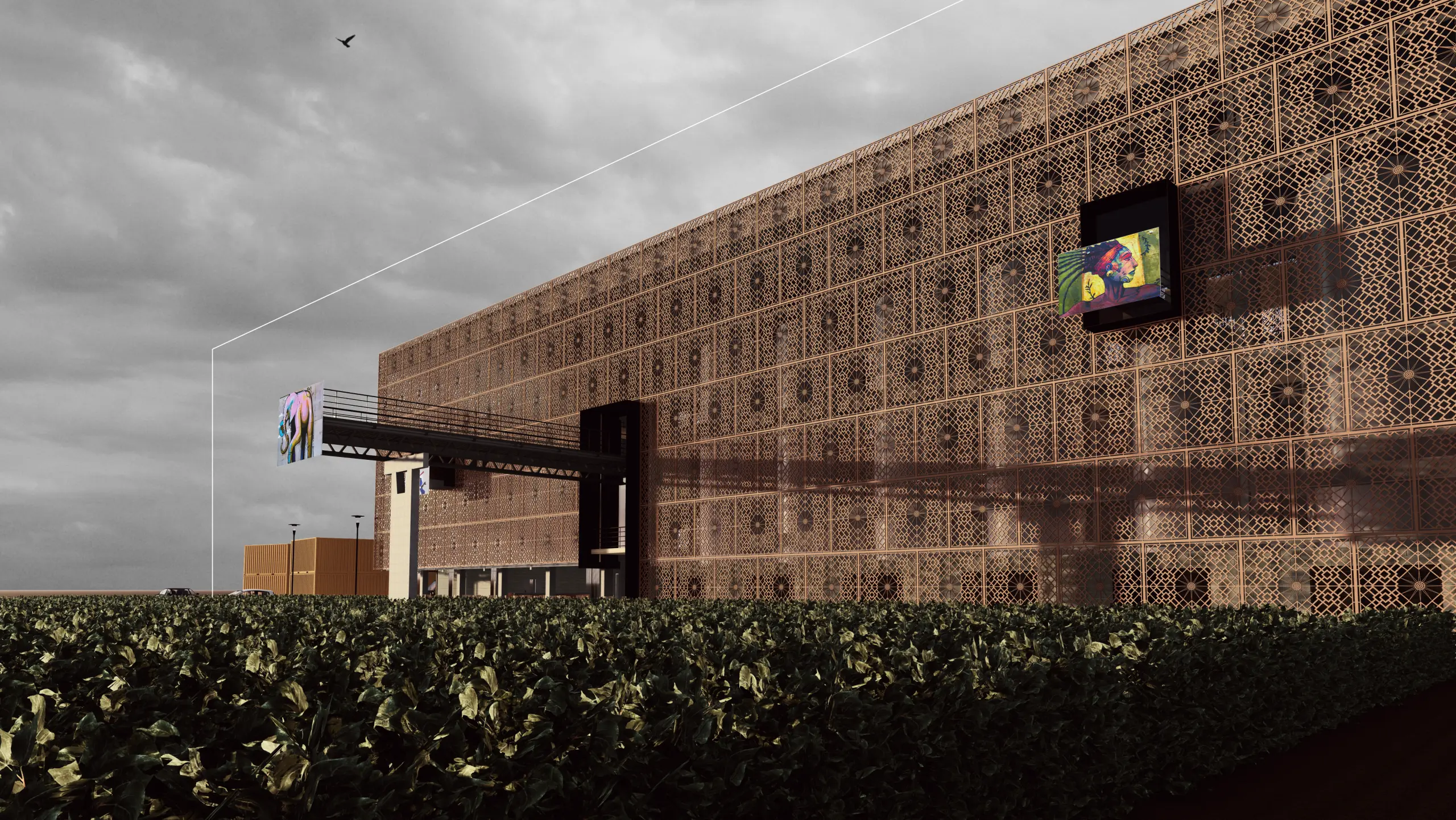
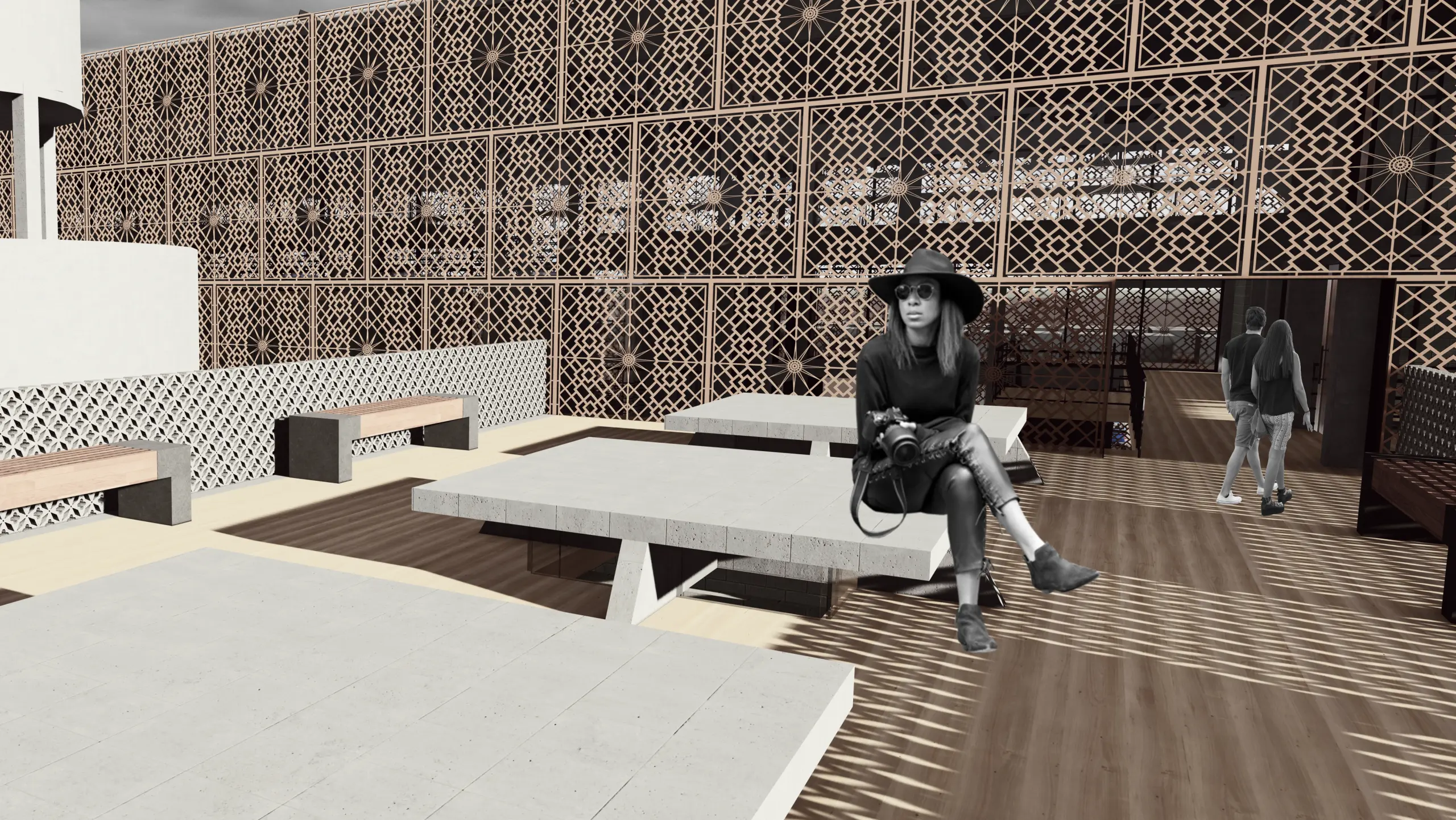
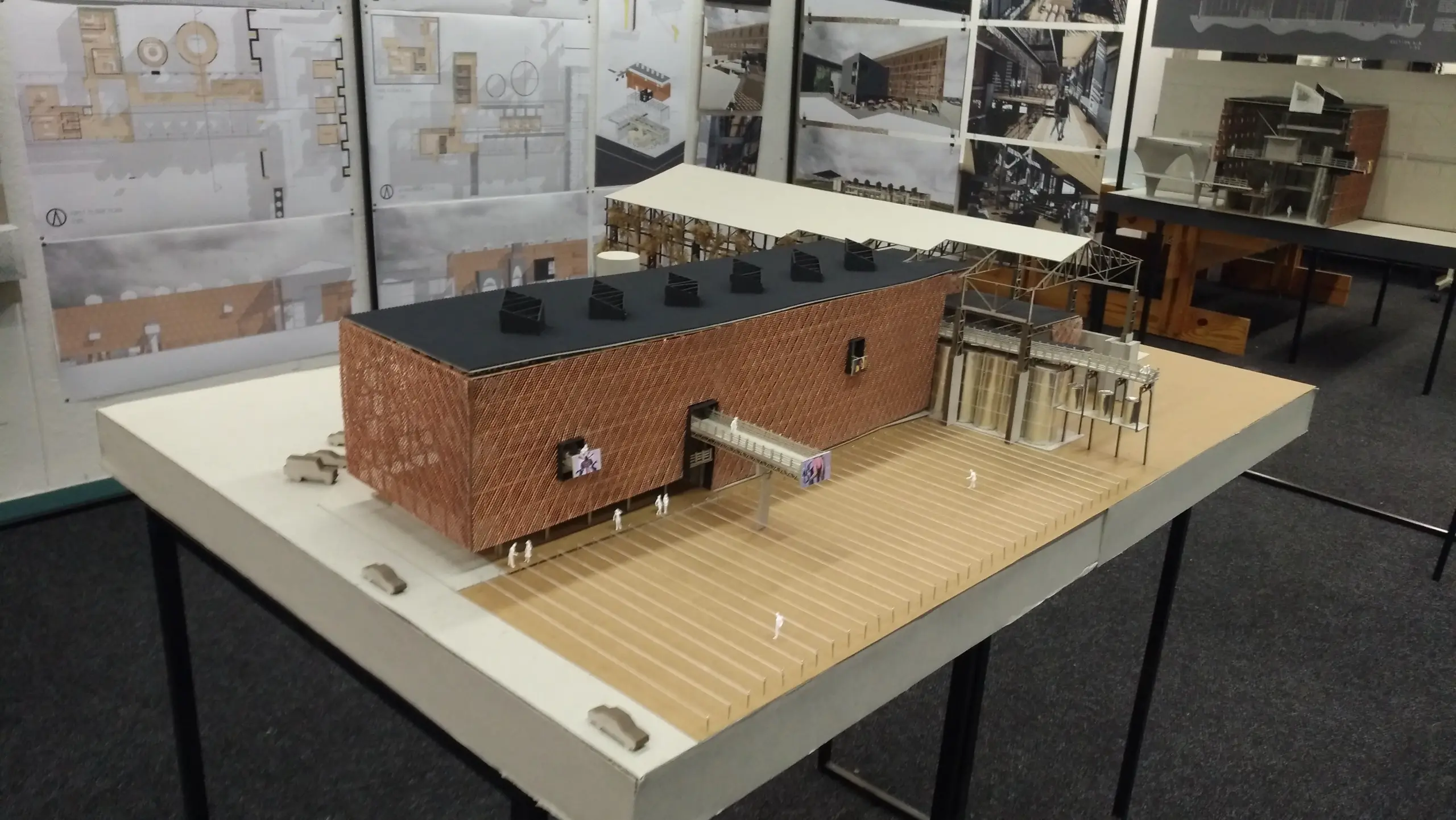
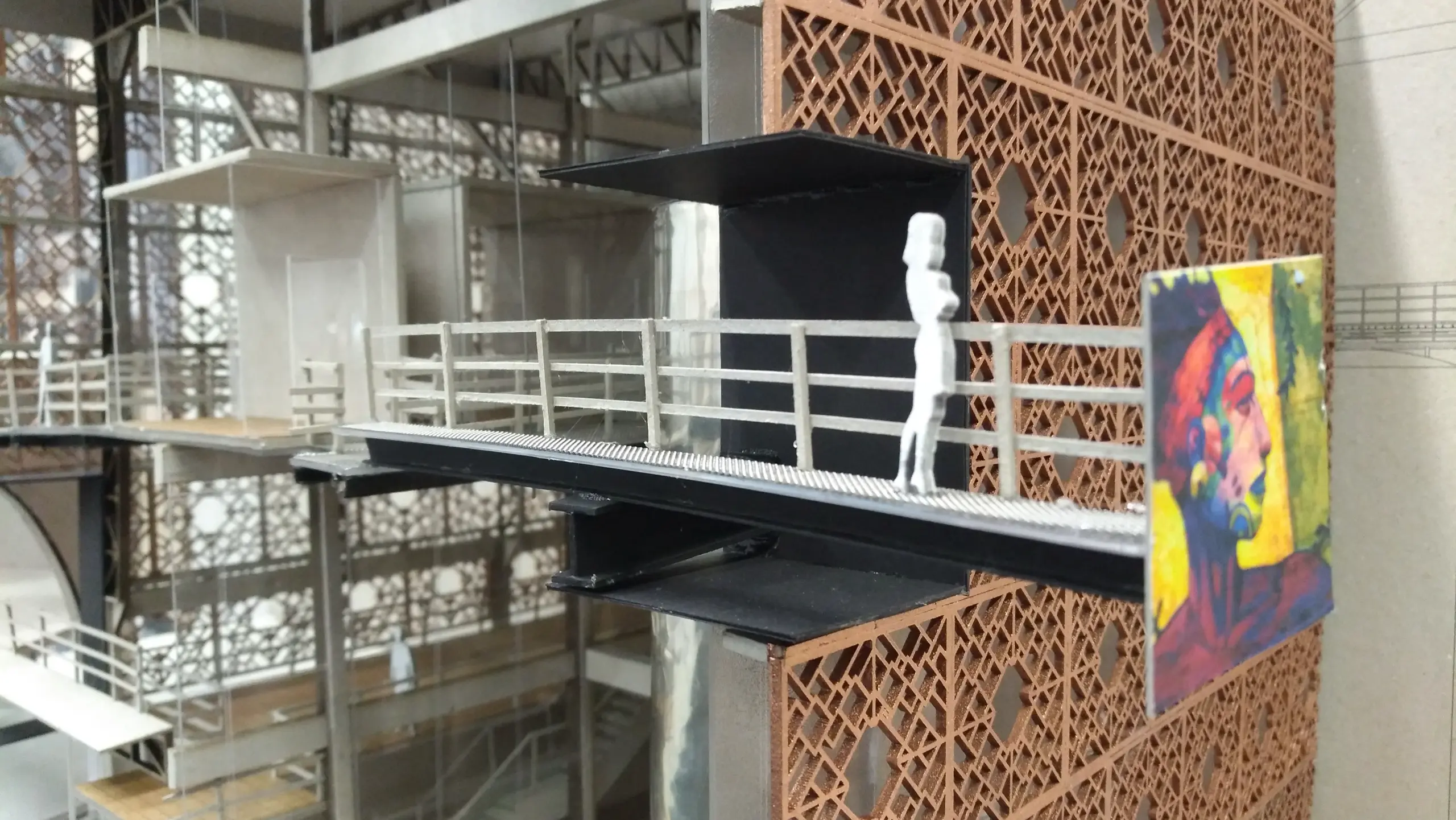
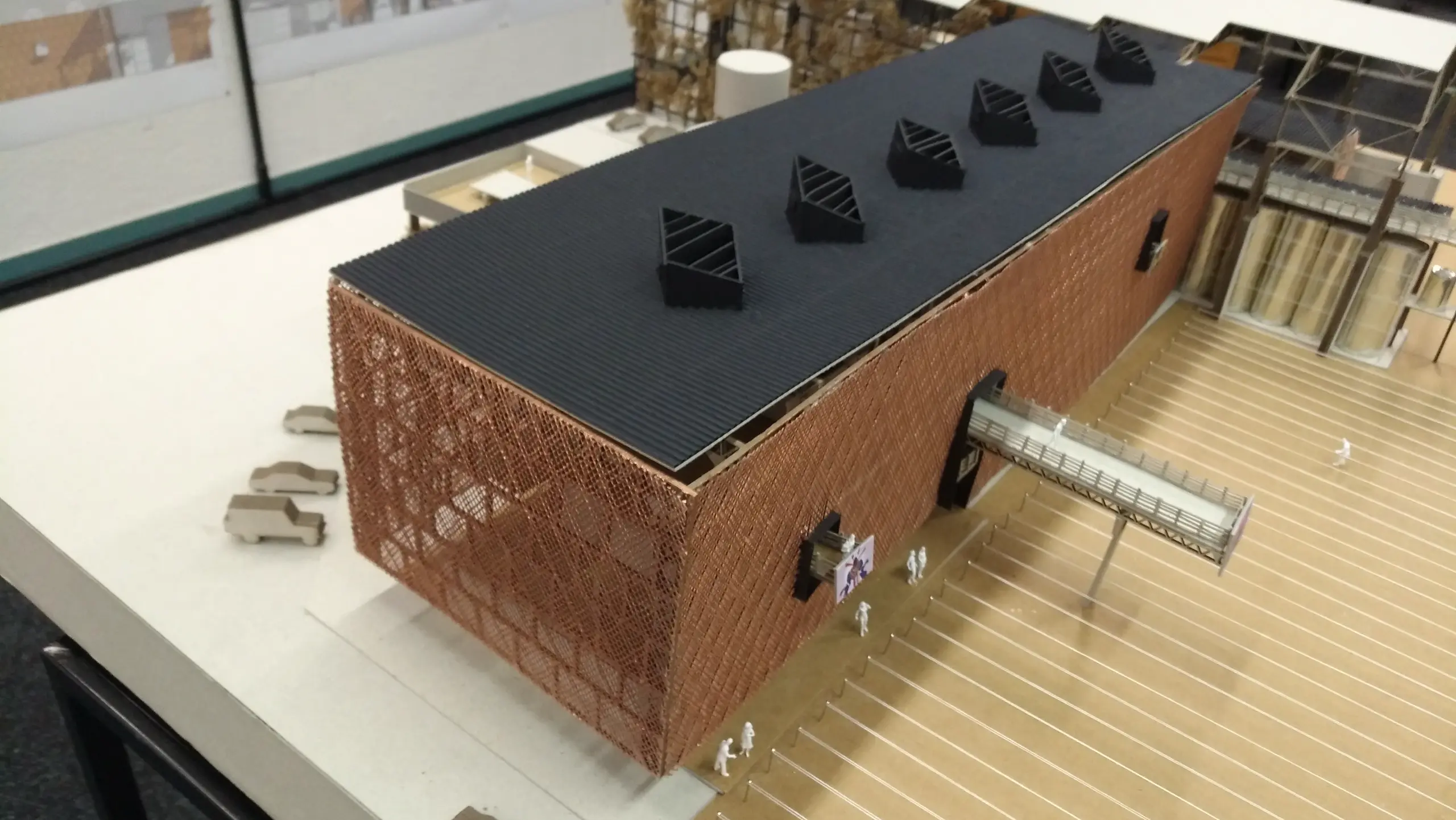
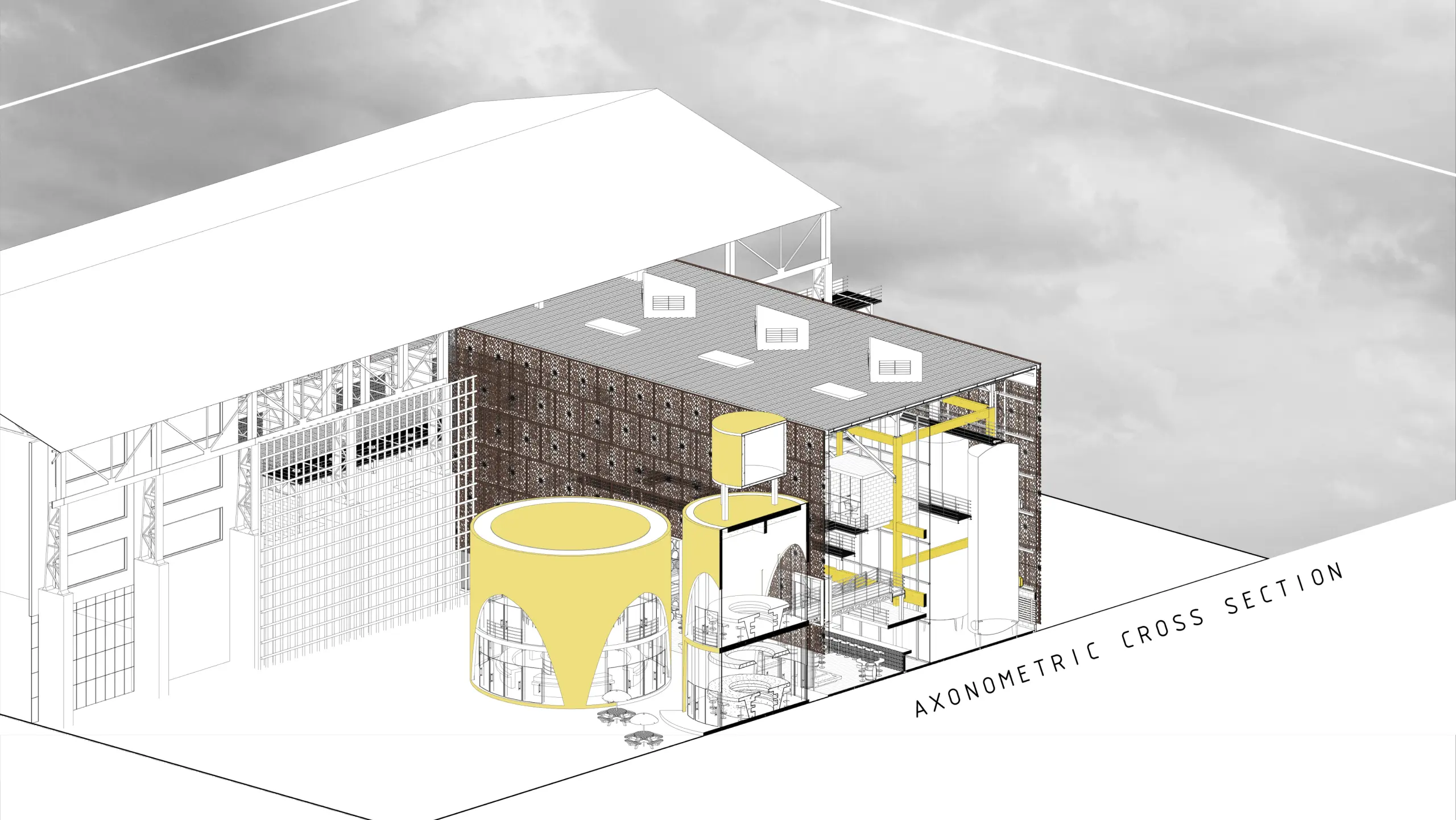
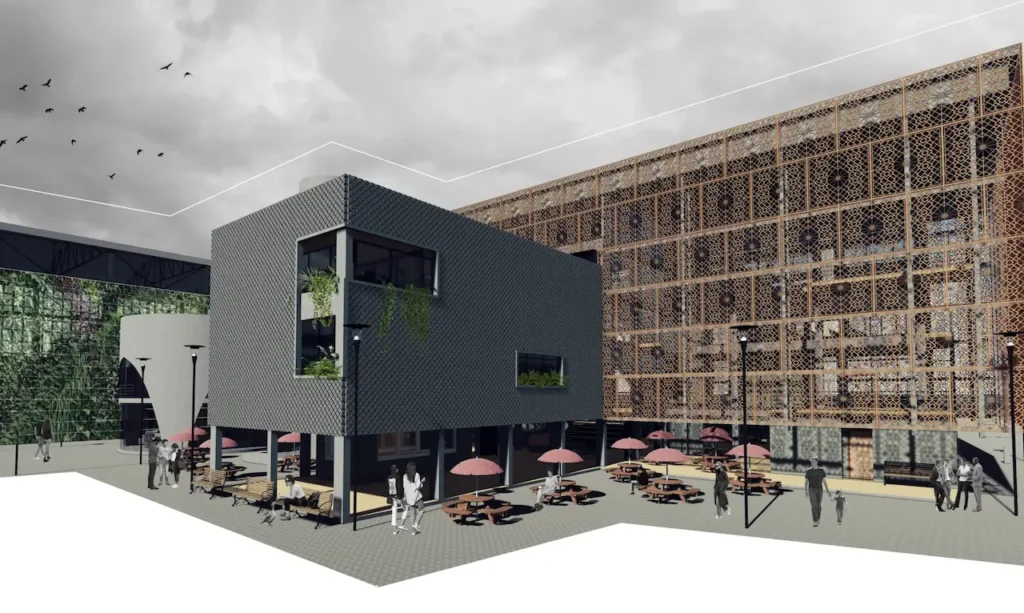
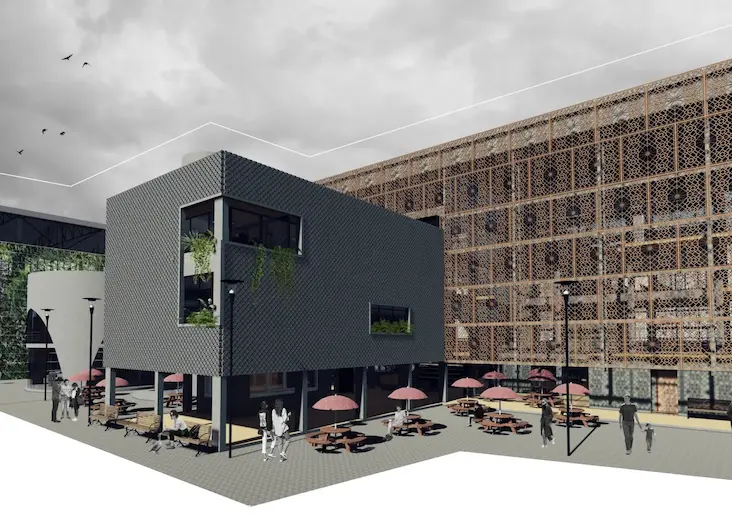
The building envelope is conceived as a new skin or screen that clips onto the existing structure, thereby reinventing the identity of the building into a symbol of hope. The new structure also embraces the idea of expansive openness, not only to accommodate the industrial nature of winemaking, but also to embrace the idea of democratic space where all is welcomed in, from the informal vendor to the visiting tourist.
The façade of the building is animated with artworks and murals by local artists, further tying the building to its contextual identity. The screen / skin of the building regulates environmental and climatic conditions, creating the appropriate conditions for winemaking.
This project exhibits our position regarding sustainability in the environmental and social sense, and design which compliments the spirit of the place in terms of atmosphere and character, and our commitment to embrace regionalist notions.